
CNC Machining
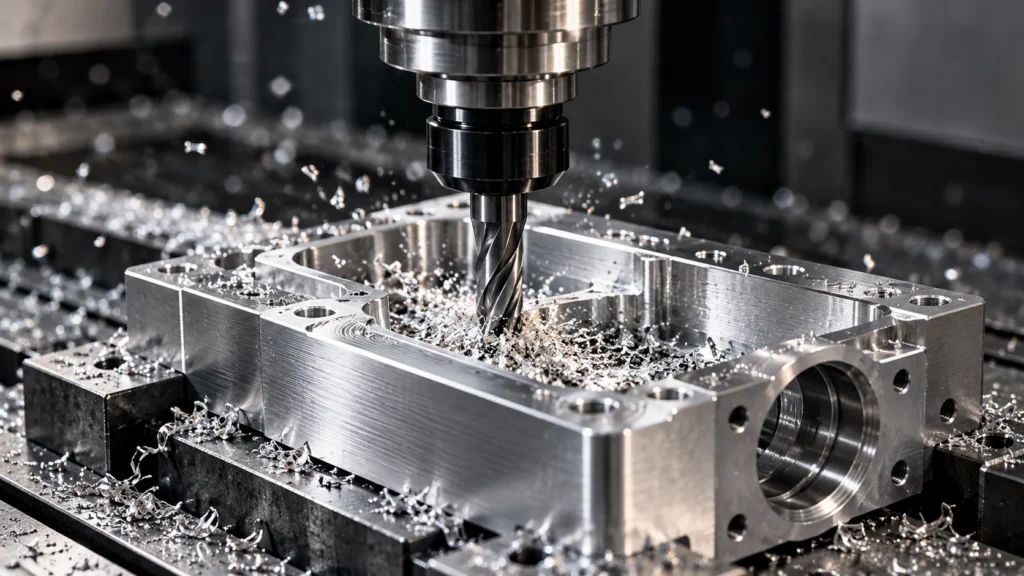
Discuss milled and turned features, material choices and inspection requirements for your custom components.
Explore detailsCAPABILITIES
Explore manufacturing approaches and the information needed to discuss a practical process route.
EXPLORE THE DIRECTORY
5 results
Discuss milled and turned features, material choices and inspection requirements for your custom components.
Explore detailsEvaluate part geometry, material thickness and repeat demand before committing to a tooling route.
Explore detailsPlan bent parts, enclosures and assembly interfaces with the complete product in view.
Explore detailsReview geometry, tooling and any secondary machining needed for a drawing-defined casting project.
Explore detailsReview an aluminum section alongside its cutting, machining and finishing requirements.
Explore detailsPROJECT QUESTIONS
Share a drawing, sample photographs or a BOM, together with materials, quantities and delivery destination. Mark critical dimensions and describe the application. If some details are undecided, list them explicitly so they can be reviewed rather than assumed.
Use a current drawing or written specification to record geometry, material, finish and inspection requirements. Any suggested changes should be reviewed and approved before ordering. Confirm whether samples or first-article checks are needed for the project.
Include the sample quantity, intended test and acceptance criteria in your inquiry. Sample feasibility, cost and timing depend on the part and manufacturing route and should be confirmed in the quotation; do not assume the sample and production terms are identical.
Provide the destination, quantities per line item and any labeling, protection or kit-packing requirements. Identify delicate surfaces, mixed sizes and assembly groups. Confirm shipping terms, documentation and the proposed schedule with the order.
START A CONVERSATION
Share your drawing, material, quantity and project requirements to start a technical conversation.
What to include in your RFQ


