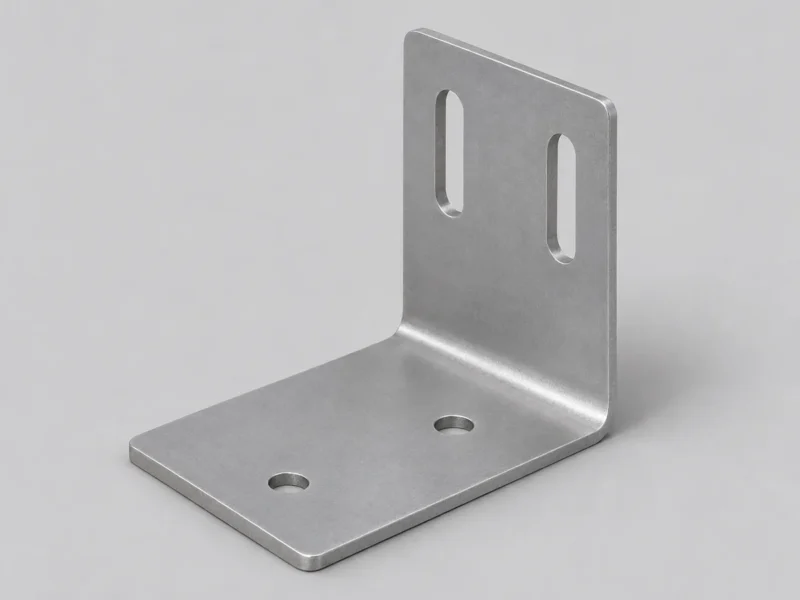
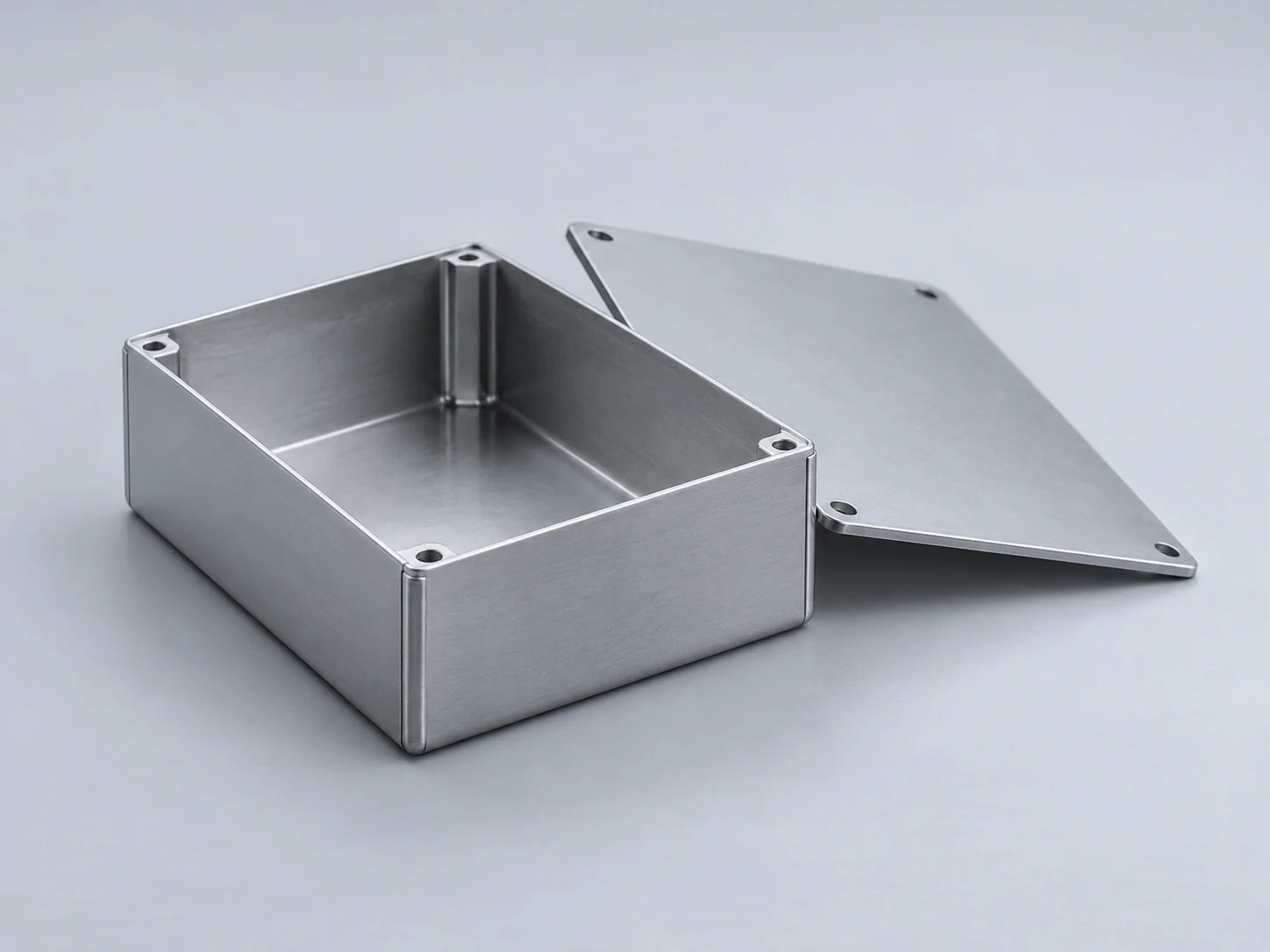
Bent panels, covers and enclosure components. The examples in this directory describe potential project requirements; final feasibility is reviewed against your drawings.
Build around the assembly
Provide thickness, bend intent, mating interfaces and opening requirements. Discuss bend reliefs, edge safety, joining and how the part will be installed.
Specify material and finish together
Material selection affects forming or machining decisions, surface treatment and the way the component behaves in its assembly. Identify an exact grade when it is mandatory. If substitutions are possible, explain the performance requirement instead of leaving the decision implicit.
Make inspection requirements visible
Mark functional dimensions and reference datums. Separate general drawing requirements from special checks, cosmetic surfaces and reporting requirements. State whether inspection records, material documentation or sample approval are required.
Prepare a comparable enquiry
Use one drawing revision for all quotations. Include the required quantity, forecast repeat demand, packaging constraints and delivery destination. Record any permitted alternatives before comparing offers.
What information should I include in a quotation request?
Send the current drawing or model, material and finish, required quantity, critical dimensions and your target delivery date. If a detail is still open, identify it so it can be discussed.
Can I start with a prototype?
Describe the purpose of the prototype and the expected production quantity. Sample scope, tooling, inspection and any later production route should be agreed before an order.
What information is needed to review a formed metal part?
Provide a dimensioned drawing and a 3D model when available. State material grade, sheet thickness, finish, quantity and the dimensions that affect assembly. Mark whether dimensions apply before or after coating.
Why do bend locations matter for holes and cutouts?
Forming can distort features close to a bend. Hole positions, flange lengths and corner relief should be reviewed with the intended tooling and material thickness. Avoid applying one universal hole-to-bend distance to every part.