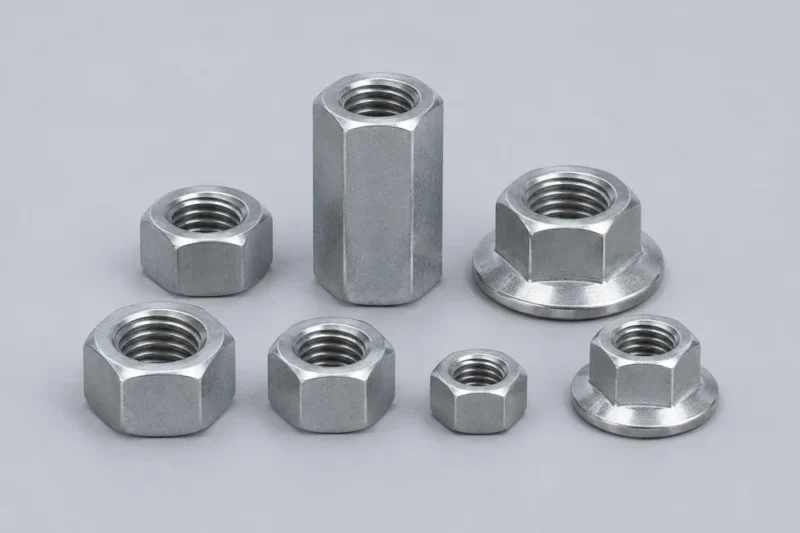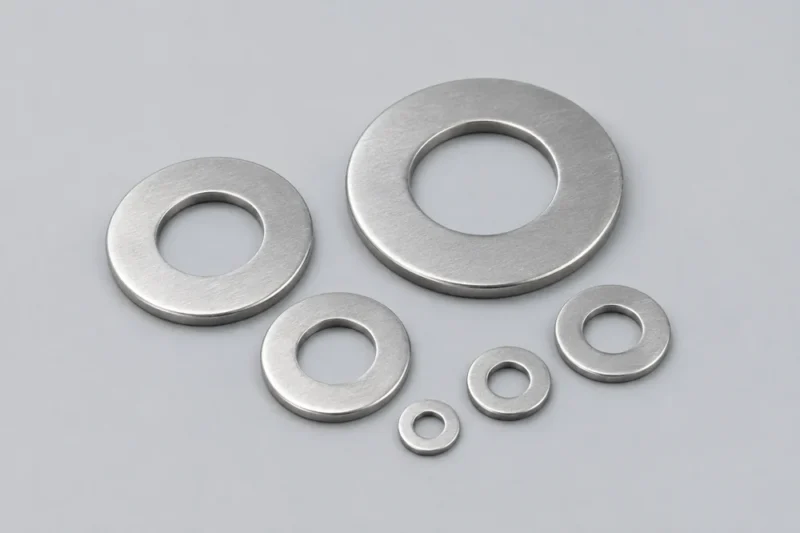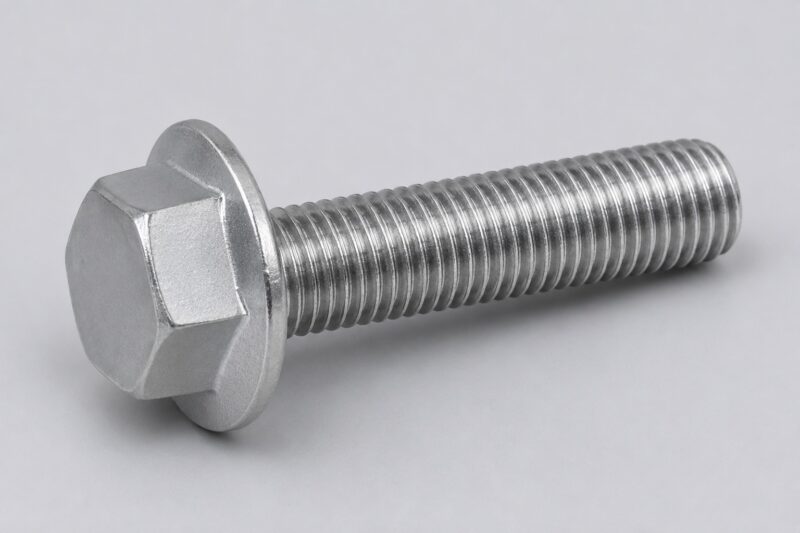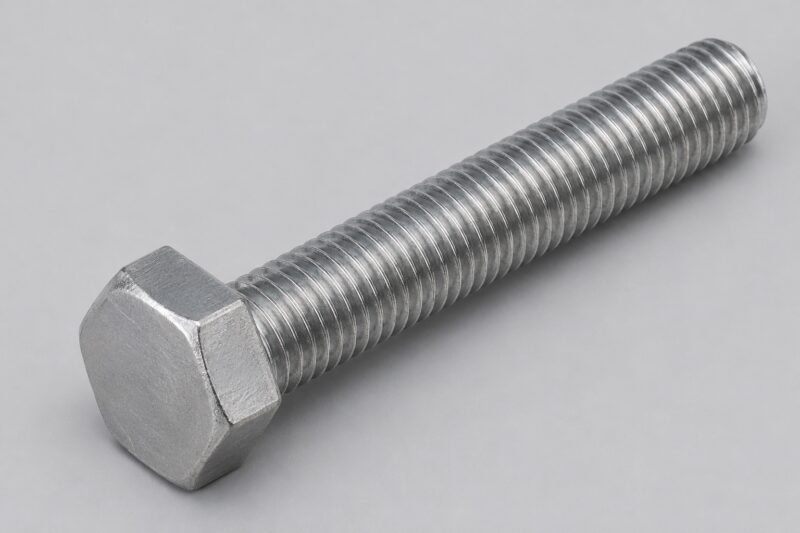
Hex Head Bolt
An externally driven bolt for industrial assemblies. Confirm thread and geometry on the drawing.
Explore details
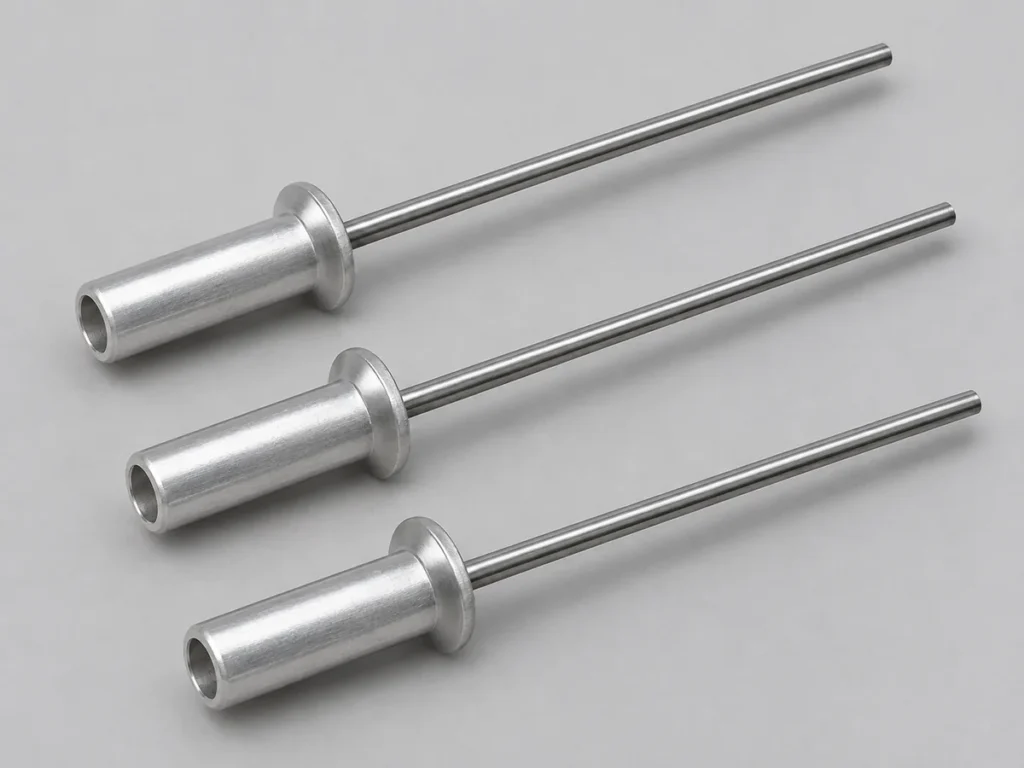
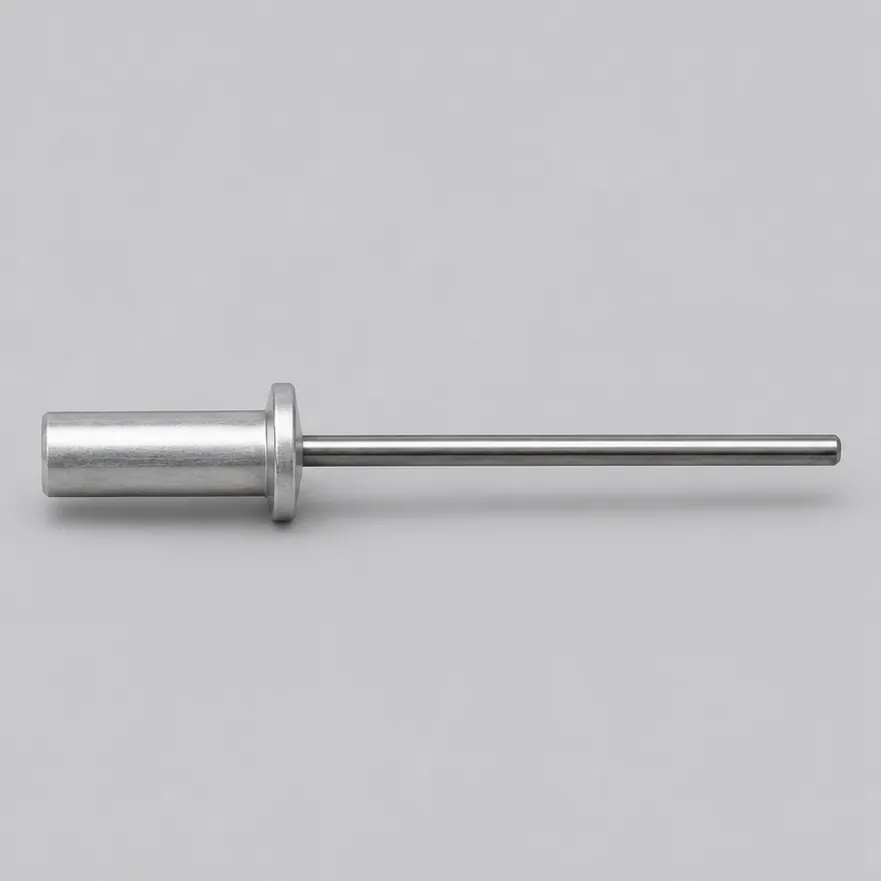
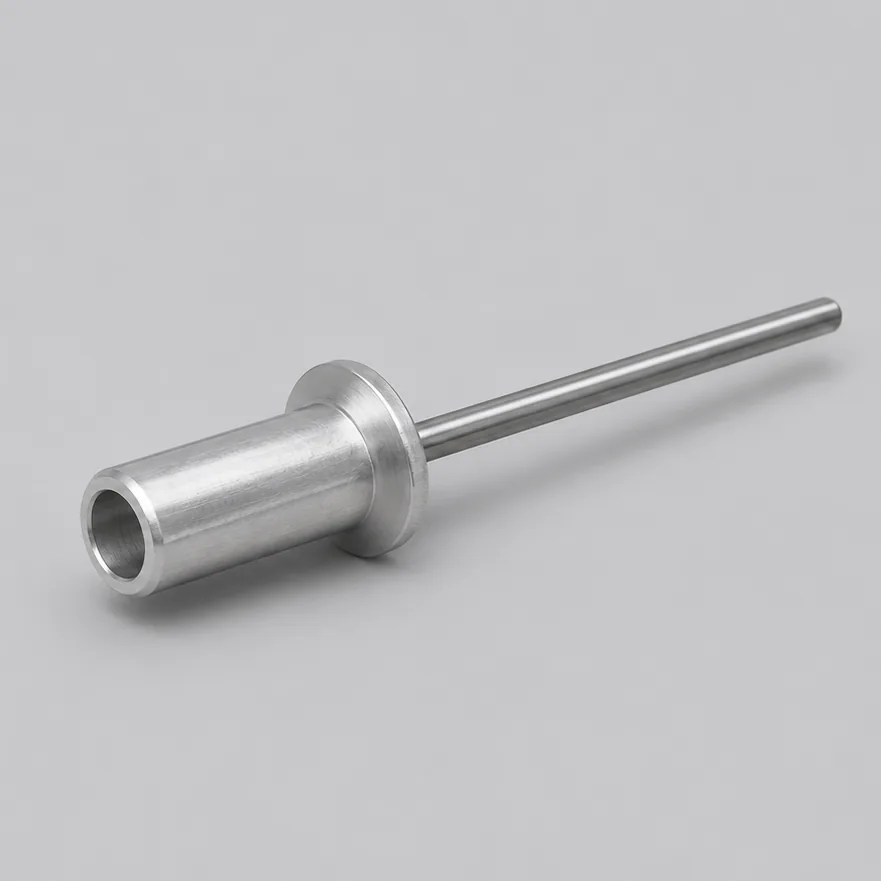
A one-sided fastening option for sheet panels, light brackets and assemblies where the rear face is hard to reach.
| Rivet diameter | Specify nominal diameter and prepared hole size |
|---|---|
| Grip range | Specify minimum and maximum total joint thickness |
| Head style | Dome or countersunk, as required by the joint |
| Body and mandrel | Specify each material and finish separately |
Measure the complete stack at the hole, including the thickness of all joined sheets and any permanent layers. Check that the tool can sit squarely over the head and that the formed tail has clearance behind the panel.
Provide your hole-size limits, head style, expected loads and exposure to moisture or chemicals. Confirm retention and installation on representative panels before ordering.
Product image is a concept illustration. Confirm the final specification and availability in your quotation.
| Rivet diameter | Specify nominal diameter and prepared hole size |
|---|---|
| Grip range | Specify minimum and maximum total joint thickness |
| Head style | Dome or countersunk, as required by the joint |
| Body and mandrel | Specify each material and finish separately |
| Installation | Confirm setting-tool and nosepiece access |
Yes. An open-end blind rivet is set from the accessible side. Check the setting tool’s access and leave enough clearance behind the joint for the formed tail.
Measure the minimum and maximum thickness of the assembled stack. Choose a rivet whose stated grip range covers that interval.
Do not assume a sealed joint. If water or air ingress matters, specify the sealing requirement and validate the proposed assembly.
Provide the joint stack, hole diameter, head style, body and mandrel requirements, quantity and any tests the assembled joint must pass.
An externally driven bolt for industrial assemblies. Confirm thread and geometry on the drawing.
Explore details